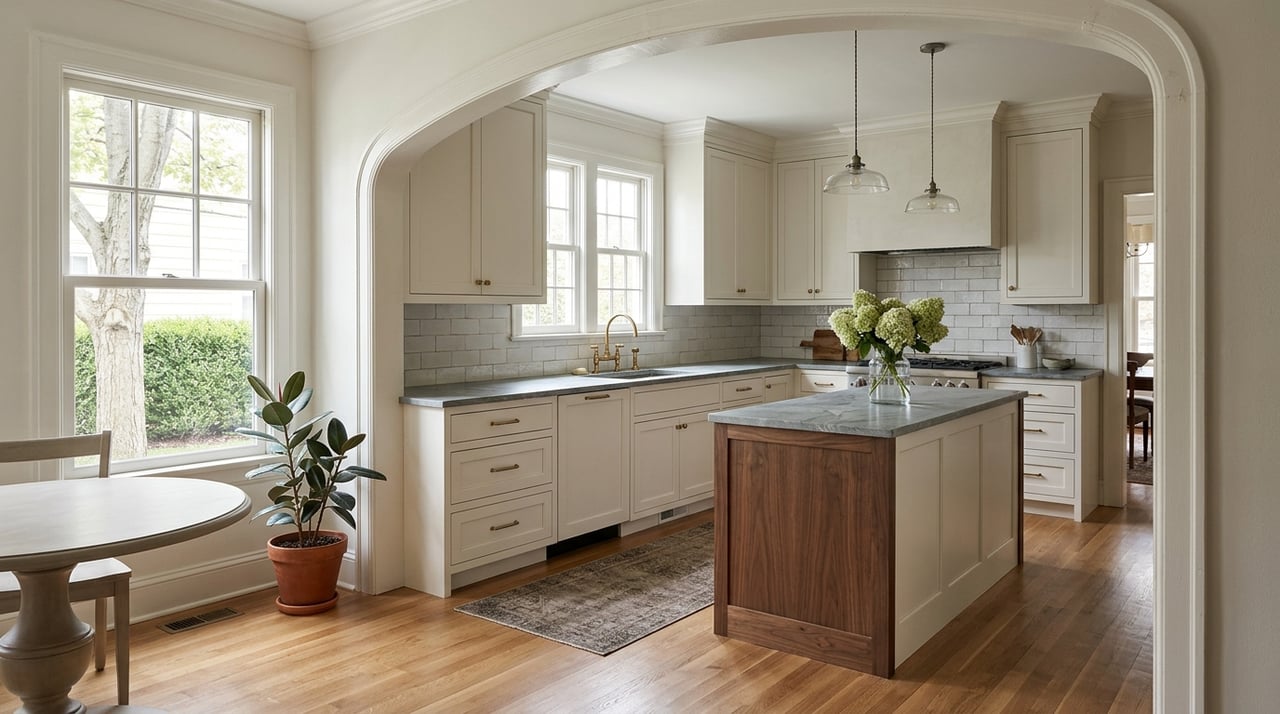
If you love the idea of a home with character but worry about giving up everyday comfort, Rochester gives you more than one good option. In this market, you can find older homes near the city’s historic core, postwar ranches that blend charm with simpler layouts, and more contemporary homes in newer parts of town. Understanding how these areas differ can help you choose a home that fits your style, budget, and appetite for updates. Let’s dive in.
Rochester Homes With Historic Character
Rochester’s older housing is closely tied to the city’s early development pattern. According to the city master plan, historic homes are concentrated north and south of West University, west of the central business district, with the downtown historic core centered around Main Street between Third and University and Walnut Street to the west.
In these mature neighborhoods, the setting is part of the appeal. The city describes small lots, shallow front setbacks, modest house footprints, and even some alleys, which gives these areas a more established and less standardized feel than later suburban development.
Rochester’s preservation culture is also very active. The city maintains both a Historical Commission and a Historic District Commission, and it has highlighted places like Griffey Cottage, a 1903 home recognized as a well-preserved example of early twentieth-century residential architecture.
Styles You May See In Rochester
If you tour older Rochester homes, you are likely to see a mix of late-19th- and early-20th-century architecture rather than one uniform style. City records point to Italianate examples in what is now downtown Rochester, and city documents also reference an early 1900s craftsman bungalow.
Italianate homes often feature asymmetrical floor plans inspired by informal villa forms. Colonial Revival homes are generally more symmetrical, with prominent entrances and a more formal exterior composition.
Craftsman bungalows tend to feel especially approachable for today’s buyers. They are often one to two stories, with broad gables and interior layouts that may reduce hallways in favor of a more open feel.
What Historic Living Feels Like
Living in an older Rochester home is often about embracing individuality. These homes were built for their lots and their era, so room sizes, circulation, storage, and placement on the site can feel more specific than what you may find in a newer suburban home.
That can be a real advantage if you value personality and original detail. At the same time, it helps to walk into your search knowing that older homes may not follow the same floor-plan expectations as newer builds.
In Rochester, that contrast is especially clear because the city includes both historic neighborhoods and more contemporary areas within the same community. You do not have to choose between location and lifestyle as sharply as you might in other markets.
Where Modern Living Shows Up
If you want Rochester’s location with a more contemporary setting, the city’s east side is the clearest contrast. The master plan describes this area as more contemporary and suburban in character, with larger lots, deeper setbacks, curving streets, and larger house footprints.
This is often where buyers find a more conventional suburban layout. Features like bigger garages, more separation between homes, and larger overall living space may feel more familiar if you are moving from a newer house or want less compromise on layout.
Rochester also has redevelopment projects that are expanding housing choices near downtown. The city says The Granary will redevelop underused property into residential use, and Riverfront Place is a proposed multi-family project intended to broaden downtown housing options.
Ranch Homes As A Middle Ground
For many buyers, postwar ranch homes offer the best balance between character and convenience. The city says one-story homes designed after World War II are the most common style in some areas outside the historic neighborhoods.
That matters because ranch homes often align well with modern living preferences. Typical 1950s ranch layouts include three bedrooms, one bath, an open floor plan, an eat-in kitchen, and connected living and dining areas.
If you like the idea of an established Rochester setting but want a simpler layout than an older historic home, a ranch can be a smart middle-ground option. It may deliver a more open daily flow without requiring you to jump to brand-new construction.
Updating Older Rochester Homes
One of the biggest questions buyers ask is whether an older home can work for modern life. The short answer is yes, but the best updates usually respect the home’s original character rather than trying to erase it.
Preservation guidance emphasizes the importance of distinctive materials, interior spaces, and spatial relationships. In practical terms, that means thoughtful renovations often work better than overly aggressive ones, especially in homes where original proportions and layout are part of the appeal.
For kitchens and baths, changes often involve plumbing, electrical, or mechanical work. In Rochester, permits are required for many types of alterations, including structural repairs, replacement windows and door walls, changes to opening sizes, and electrical, plumbing, heating, and cooling work.
When new systems are added, planning matters. Preservation guidance notes that mechanical and electrical updates are often best routed through closets, service areas, and wall cavities so the home’s interior character can remain more intact.
Energy Efficiency In Older Homes
Energy efficiency is another common concern with historic or older properties. The good news is that improving comfort does not always mean replacing every original feature.
Preservation guidance recommends starting with an energy audit so you understand how the house performs before making major decisions. It also notes that historic windows and doors can often be repaired or improved, with measures like storm windows, caulking, and weatherstripping considered before replacement.
Locally, Rochester enforces the Michigan Uniform Energy Code, and the city’s technical notes state that existing buildings and certain alterations and additions are exempt from the energy code. Even so, buyers should expect improvements to be shaped by the permit process and the realities of the home’s original construction.
Choosing Between Historic And Newer Homes
The right fit usually comes down to how you want to live day to day. Historic homes often offer more charm, more individualized floor plans, and a stronger connection to Rochester’s early development pattern.
Newer or newer-feeling homes usually offer larger footprints and more conventional suburban layouts. That can be appealing if you want open gathering areas, more predictable room sizes, or less need for renovation planning.
Neither path is automatically better. In Rochester, the key is understanding where in the city you want to be and how much work, customization, or compromise feels comfortable for you.
Resale And Long-Term Appeal
If resale is part of your thinking, local planning priorities offer a helpful clue. Rochester’s Downtown Development Authority says it seeks reuse of historic and architecturally significant buildings whenever possible and aims to preserve downtown’s unique historical character.
The city master plan also calls for traditional architectural styles in new development and for compatibility with existing structures. That does not guarantee how any single home will perform, but it does suggest that updates that respect original scale, materials, and proportions are more aligned with local expectations.
For sellers and buyers alike, that is an important reminder. In a place like Rochester, character is not just a personal preference. It is part of the city’s identity.
Making A Smart Rochester Decision
If you are drawn to Rochester, it helps to compare homes not just by square footage or finish level, but by how they support your next stage of life. A historic home near downtown may offer unmatched charm, while a ranch or newer home may give you easier day-to-day function.
The best choice is the one that fits your goals, your timeline, and your comfort level with updates. When you understand the city’s different housing patterns, you can shop with more confidence and make a decision that feels right now and later.
Whether you are buying your first home, moving up, downsizing, or preparing to sell, local context matters. If you want clear guidance on Rochester homes and surrounding Northern Oakland County options, Jane Evans is here to help.
FAQs
What part of Rochester has the most historic homes?
- The city master plan says historic homes are concentrated north and south of West University, west of the central business district, with the historic core around Main Street between Third and University and Walnut Street to the west.
What architectural styles might you find in older Rochester homes?
- Buyers may see a mix of styles, including Italianate examples in downtown Rochester, early 1900s craftsman bungalows, and other late-19th- and early-20th-century home forms.
Are Rochester ranch homes a good option for modern living?
- Ranch homes can be a strong option if you want an established setting with a simpler, more open layout, since postwar ranches often include connected living spaces and practical one-story living.
Do kitchen or bath updates in Rochester homes usually need permits?
- Many updates can trigger permit review because the city requires permits for alterations, structural repairs, window and door wall replacement, opening-size changes, and electrical, plumbing, heating, and cooling work.
Can you improve energy efficiency in an older Rochester home without removing its character?
- Yes. Preservation guidance recommends starting with an energy audit and considering repairs or upgrades like weatherstripping, caulking, and storm windows before replacing original components.
Where can you find newer-feeling homes in Rochester?
- The city’s east side is described as the most contemporary and suburban in character, with larger lots, deeper setbacks, curving streets, and larger house footprints.