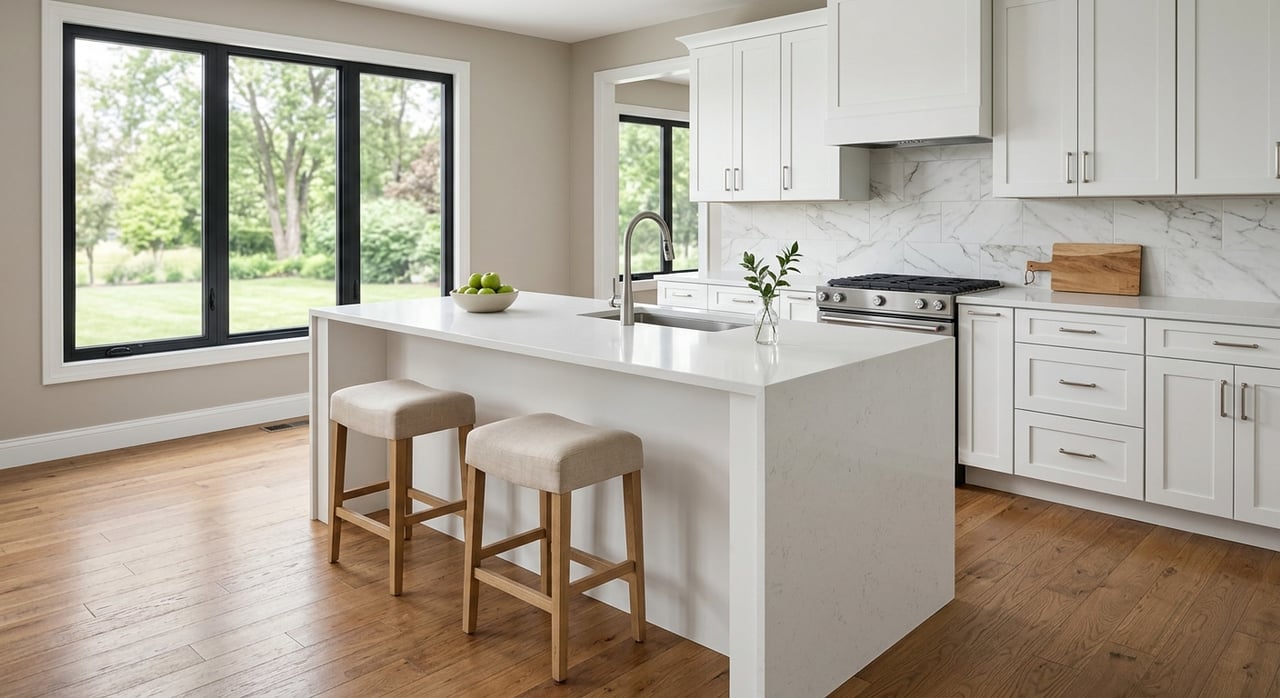
If you are thinking about selling your Rochester Hills home, preparation can make a real difference. Even in a market where homes can move quickly, buyers still notice clutter, deferred maintenance, and listing photos that fall flat. A smart pre-listing plan helps you make a stronger first impression, reduce surprises, and position your home more confidently before it hits the market. Let’s dive in.
Why prep matters in Rochester Hills
Rochester Hills remains a fairly active market, but the numbers vary depending on what each source measures. As of March 2026, Zillow reports an average home value of $465,253 and homes going pending in about 15 days, while Redfin reports a median sale price of $355,000 and about 22 days on market. Realtor.com shows a median listing price of $434,500, 29 median days on market, and homes selling about 3.18% below asking on average in February 2026, with 179 active listings, according to Rochester Hills market data.
The takeaway is simple: speed alone does not guarantee a great result. When buyers have options, homes in clean condition with strong presentation tend to stand out more than homes that rely on the market to do all the work.
Start with the basics buyers notice first
Before you think about bigger updates, focus on the areas that affect first impressions right away. The National Association of REALTORS® reported that the most common recommendations from agents were decluttering, cleaning the entire home, and improving curb appeal, based on its 2025 staging findings.
That advice makes sense in Rochester Hills, where many buyers are comparing homes online before they ever schedule a showing. If your home looks bright, well cared for, and easy to picture living in, you are already ahead.
Declutter room by room
Decluttering is often the highest-impact first step because it helps your home feel larger, calmer, and more move-in ready. It also makes photos look cleaner and allows buyers to focus on the space itself rather than your belongings.
Try starting with:
- Kitchen counters
- Bathroom vanities
- Entryways and mudrooms
- Bookshelves and display furniture
- Closets and storage areas
- Basement and garage surfaces
If you are living in the home while selling, aim for a streamlined look rather than perfection. The goal is to create breathing room.
Deep clean every visible surface
According to NAR’s consumer guide to preparing to sell, sellers should pay special attention to windows, carpets, lighting fixtures, and walls. Those details may seem small, but they shape how buyers feel the moment they walk in.
A deep clean should include removing dust, washing windows, touching up scuffed walls, and making sure flooring looks and smells fresh. Clean homes signal care, and that can influence how buyers view the rest of the property.
Improve curb appeal
Your exterior sets the tone before a buyer ever steps through the front door. NAR notes that landscaping, the front entrance, and paint improvements can all boost curb appeal and improve how the home looks in photos.
In practical terms, that may mean trimming shrubs, refreshing mulch, sweeping the porch, cleaning the front door, and replacing worn house numbers or a tired welcome mat. A simple, well-kept entrance can make your home feel inviting from the start.
Focus on the rooms that matter most
Not every room needs the same level of attention. In NAR’s 2025 staging survey, buyers’ agents said the most important rooms to stage were the living room, primary bedroom, and kitchen, according to the 2025 Profile of Home Staging.
If your time or budget is limited, start there. Those spaces tend to carry the most emotional weight for buyers and often do the most work in listing photos.
Living room
Make the living room feel open, bright, and easy to navigate. Remove extra furniture if the space feels crowded, and keep décor simple so the room reads clearly in person and online.
Primary bedroom
A calm, uncluttered bedroom helps buyers see the home as a place to relax. Neutral bedding, clear nightstands, and tidy closets can go a long way without requiring a major investment.
Kitchen
Buyers often look closely at the kitchen, even if they are not expecting a fully updated space. Clear the counters, store away small appliances, wipe down cabinet fronts, and make sure lighting is working well.
Make smart repairs before listing
You do not need to renovate everything to get ready to sell. In fact, the 2025 Remodeling Impact Report suggests that modest, visible improvements often make more sense than major custom projects.
For many Rochester Hills sellers, that means fixing obvious issues and improving first impressions rather than taking on a full kitchen or bathroom overhaul. Buyers tend to respond well to homes that feel maintained and move-in ready, even if every finish is not brand new.
High-value fixes to consider
Based on NAR guidance, good pre-listing projects may include:
- Painting all or part of the home
- Repairing damaged trim, doors, or hardware
- Addressing worn flooring or stained carpet
- Replacing a worn front door if needed
- Fixing leaky faucets or running toilets
- Updating burned-out bulbs and dim lighting
- Repairing visible roof or exterior issues when appropriate
A fresh coat of paint and a stronger entry can have an outsized impact. NAR reported that a new steel front door had a 100% cost recovery estimate, while a new fiberglass front door had an 80% estimate.
Consider a pre-sale inspection
A pre-sale inspection is not required, but it can be useful. NAR explains in its seller preparation guide that an inspection can uncover issues in the structure, roof, plumbing, electrical, HVAC, insulation, interiors, fireplaces, and exterior before a buyer finds them.
That kind of information can help you make better decisions about what to repair, what to disclose, and how to price the home. It can also reduce the chance of last-minute surprises once you are under contract.
Know the bigger-ticket items
Even if you do not plan to replace an older roof, furnace, or major appliance before listing, it helps to understand its condition and likely cost. NAR recommends pricing out significant repairs so you are not caught off guard during negotiations.
This is especially helpful if a buyer asks for credits or repairs after their inspection. When you already know the likely numbers, you can respond more calmly and strategically.
Gather paperwork before your home goes live
One of the easiest ways to look organized and build buyer confidence is to have your paperwork ready. NAR recommends locating warranties, guarantees, manuals, service records, and information for appliances and systems that will stay with the property.
Helpful documents may include:
- Appliance manuals and warranty information
- HVAC service records
- Roof or window paperwork
- Receipts for recent repairs or upgrades
- HOA information, if applicable
- Permit records for completed work, when available
Having these materials ready can make showings, negotiations, and closing feel much smoother.
Take disclosures seriously in Michigan
Michigan sellers are generally required to complete a standard Seller’s Disclosure Statement and answer questions about known conditions. According to the Michigan Seller Disclosure Act, the form asks about issues such as basement water, roof leaks, environmental hazards, easements, HOA authority or common areas, zoning violations, and structural changes or repairs completed without required permits or licensed contractors.
This is not a step to rush through. Clear and accurate disclosures help reduce risk and keep a transaction on steadier footing.
Homes built before 1978
If your home was built before 1978, federal rules generally require sellers to provide known lead-hazard information before a buyer signs a contract. The U.S. Environmental Protection Agency outlines these requirements in its lead-based paint disclosure guidance.
If this applies to your property, it is best to prepare those materials early so there are no delays later.
Plan for photos and online marketing
Today’s buyers often form their first opinion online. In NAR’s 2025 staging survey, buyers’ agents said photos, physical staging, videos, and virtual tours were highly important, and buyers were expected to view a median of 20 homes virtually before visiting eight in person, according to the staging survey report.
That means your home needs to show well on screen before it can shine in person. Clean surfaces, good lighting, and clear walkways matter because they directly affect how your listing is perceived.
A simple photo-ready checklist
Before professional photos, try to:
- Open blinds and curtains for natural light
- Replace burned-out bulbs
- Remove pet items and personal photos
- Hide trash cans and cords
- Clear countertops and tables
- Make beds neatly
- Put away laundry and bath products
These small adjustments can help your listing feel polished without making it feel artificial.
A practical pre-listing checklist
If you want to keep your planning simple, use this order:
- Declutter the home
- Deep clean visible surfaces and flooring
- Repair obvious defects
- Refresh curb appeal
- Focus on the living room, primary bedroom, and kitchen
- Consider a pre-sale inspection
- Gather warranties, manuals, and service records
- Complete required disclosures carefully
- Prepare the home for professional photos and showings
This approach lines up with both local market conditions and national buyer behavior. In a Rochester Hills market where homes may move reasonably fast but not always at full asking price, thoughtful preparation can help your property stand out.
When you are ready to sell, having a calm, experienced local guide can make the process much easier. If you want personalized advice on what to fix, what to skip, and how to position your Rochester Hills home for today’s market, connect with Jane Evans.
FAQs
What should I do first to prepare my Rochester Hills home for sale?
- Start with decluttering, deep cleaning, and fixing obvious defects so buyers can focus on the home instead of distractions.
Does staging help when selling a home in Rochester Hills?
- Yes. NAR found that 83% of buyers’ agents said staging made it easier for buyers to visualize a property as their future home.
Should I get a pre-sale inspection before listing my Rochester Hills home?
- A pre-sale inspection is not required, but it can help uncover issues early and reduce surprises during buyer inspections and negotiations.
What repairs matter most before listing a home in Rochester Hills?
- High-visibility fixes usually matter most, including paint, cleaning, curb appeal, lighting, minor repairs, and addressing any clear maintenance concerns.
What disclosures are required when selling a home in Michigan?
- Michigan sellers generally must complete a Seller’s Disclosure Statement covering known conditions, and pre-1978 homes may also require lead-based paint disclosures.