What does everyday life in Rochester Hills actually feel like once the moving boxes are gone? If you are weighing a move or simply trying to picture your next chapter, that question matters as much as square footage or price. Rochester Hills offers a suburban routine shaped by established neighborhoods, strong park access, easy regional driving routes, and practical shopping close to home. Let’s take a closer look.
Rochester Hills at a Glance
Rochester Hills is a sizable suburban city with an estimated 78,330 residents spread across 32.8 square miles, according to the U.S. Census Bureau QuickFacts. That scale gives you room to breathe while still supporting the services, retail, and recreation many buyers want in day-to-day life.
The city also has the feel of an established community. Census data shows 76.7% owner-occupied housing, an average household size of 2.54 people, and 88.7% of residents living in the same home one year earlier. In practical terms, that suggests a place where many people put down roots and stay for a while.
Rochester Hills is also notably well-resourced and diverse. The same Census profile reports a median household income of $120,694, a median home value of $409,800, 20.2% foreign-born residents, and 23.6% of people age 5 and up speaking a language other than English at home. For you, that can translate into a community with a broad mix of residents and a stable suburban foundation.
Daily Life Feels Suburban and Connected
If you are looking for an urban, high-rise lifestyle, Rochester Hills is generally not that. The city’s zoning pattern is dominated by one-family residential districts, with some multifamily pockets, planned developments, and mixed-use areas.
That means your day-to-day experience is more likely to involve neighborhood streets, driveways, parks, and errands by car than dense apartment blocks and transit-heavy commuting. At the same time, Rochester Hills does not feel isolated. Its layout supports a routine that is residential and quieter, but still connected to nearby job centers and shopping hubs.
City history materials note that Rochester Hills developed from farms into a suburban community, with M-59 becoming a major connector and former railroad beds later becoming trails like Paint Creek Trail and Clinton River Trail. That mix is a big part of the local rhythm: you can have regional road access and green-space access in the same day.
Parks Shape the Routine
One of the strongest parts of everyday living in Rochester Hills is how easy it is to work outdoor time into your schedule. The city maintains a broad parks and natural resources network that includes Innovation Hills, Bloomer Park, Thelma G. Spencer Park, Veterans Memorial Pointe, Wabash Park, Yates Roadside Park, and Avon Nature Study Area.
These are not just names on a map. The city’s park amenity information shows access to paved paths, playgrounds, picnic shelters, restrooms, fishing piers, kayak landing areas, watercraft rentals, disc golf, basketball courts, tennis courts, wooded open space, and even beach and swim areas. That gives you options whether your ideal routine includes a morning walk, an after-dinner playground stop, or a weekend on the water.
For many buyers, this matters more than they expect. A community with varied outdoor spaces often makes it easier to build habits you will actually keep. Instead of needing a big outing, you may just have a nearby place to walk, relax, or spend time outside.
Trails Add Everyday Flexibility
Rochester Hills also stands out for trail access. City materials explain that the Paint Creek Trail and Clinton River Trail were built on former railroad beds, which helps explain why they fit naturally into the broader landscape and travel pattern.
If you enjoy walking, biking, or simply having non-road recreation close by, that trail network adds real value. It gives Rochester Hills a layer of flexibility that many suburban communities do not have in the same way.
Errands Are Easy to Fold Into the Day
Convenience plays a big role in whether a place feels livable long term, and Rochester Hills has a strong retail base. Census data reports $2.14 billion in retail sales in 2022 and $28,141 in retail sales per capita, which points to a local market substantial enough to support a wide range of businesses.
One of the city’s most recognizable shopping destinations is The Village of Rochester Hills, a 375,000-square-foot outdoor shopping district described as being in the heart of the city. Its official materials highlight a lifestyle-streetscape design, tree-lined boulevards, on-street parking, and a mix of national and local retailers across apparel, dining, home furnishings, and beauty.
That setup matters because it shapes how errands feel. Instead of a purely utilitarian stop, The Village can function as a place to shop, grab a meal, walk a bit, and meet up casually. Its events page even describes it as the city’s unofficial downtown and notes year-round programming, plus the Whistle Way one-mile walking course that is stroller-friendly and dog-friendly.
Different Corridors, Different Feel
Not every retail area in Rochester Hills has the same look or pace. City planning materials describe the Brooklands/Auburn Road corridor as one of the oldest parts of the former Avon Township, with an older street pattern, an old-town feel, and space for mixed uses such as retail, restaurants, professional offices, upper-floor residential, and live/work units.
The city also notes nearly 350 free public parking spaces along that corridor. For you, that means Rochester Hills offers more than one kind of everyday commercial setting. Some areas feel polished and lifestyle-oriented, while others feel more historic or redevelopment-focused.
Commuting Is Mostly Road-Based
For most residents, getting around Rochester Hills is a driving-based experience. The U.S. Census Bureau QuickFacts reports a mean travel time to work of 24.3 minutes, which fits the profile of a suburban community with regional access.
A city economic strategy snapshot found that common work destinations outside Rochester Hills included Troy, Auburn Hills, Rochester, and Warren, while the largest share of people working in Rochester Hills also lived there. While that is a planning snapshot rather than a live dashboard, it still helps paint a practical picture of how people move around the area.
In day-to-day terms, Rochester Hills tends to work well for people who expect to drive to work, shopping, appointments, and activities. The city’s transportation story is centered more on roads and regional connectors than on a transit-first lifestyle.
Public Transit Exists, but It Is Limited
Public transit is available, though it is not the defining feature of life here. In 2024, Oakland County announced SMART Route 492, which links the Rochester and Rochester Hills area with Troy, Royal Oak, Ferndale, Detroit, and the Oakland University area in Auburn Hills.
That can be useful for some riders and travel needs. Still, if you are trying to picture daily life realistically, Rochester Hills is best understood as a suburban city where driving remains the main way most people get around.
Housing Feels Established and Varied
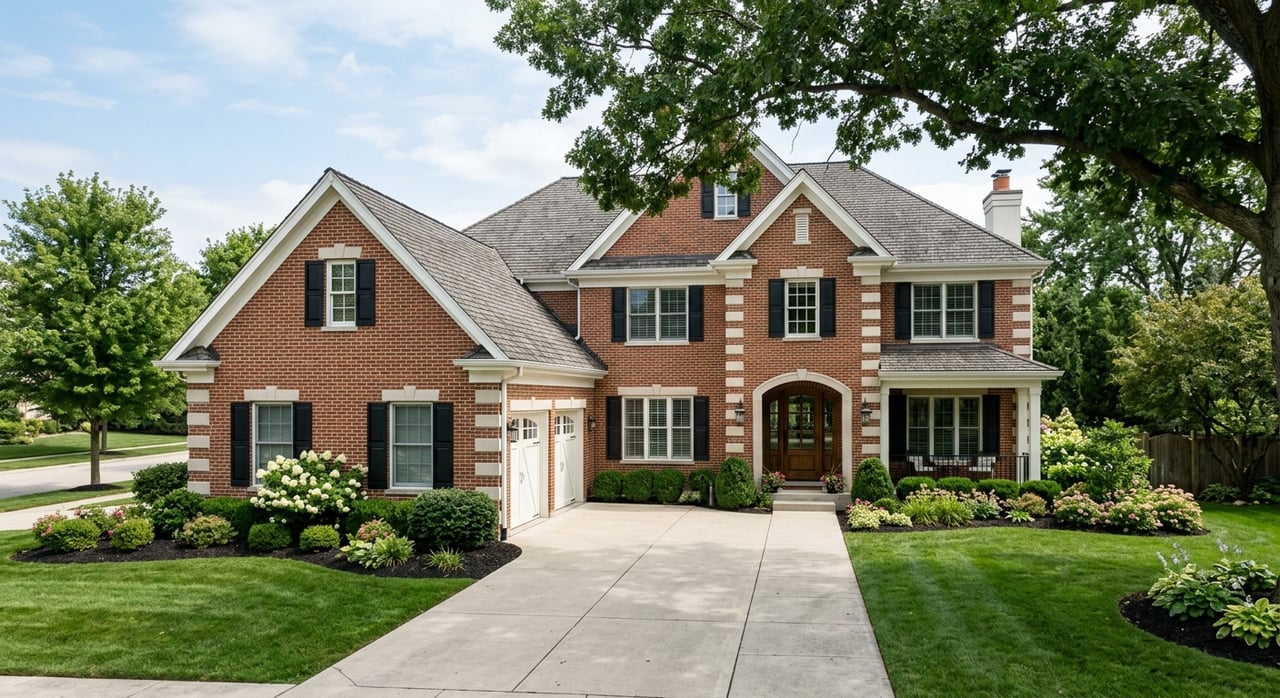
Rochester Hills housing is largely suburban in form, but not completely one-note. The city’s zoning and development pattern point to a market made up mostly of single-family homes, with some condo, multifamily, planned development, and mixed-use pockets.
That variation can be helpful if you are in a life-stage transition. You may be looking for your first condo or starter home, a move-up property with more living space, or a lower-maintenance option that still keeps you close to the Rochester area.
The city’s history also helps explain why different parts of Rochester Hills can feel slightly different from one another. Some areas reflect the community’s long evolution from farmland to suburb, while others show older street patterns or newer redevelopment activity.
Costs to Know
For broad budgeting context, Census data reports a median owner-occupied home value of $409,800, median monthly owner costs of $2,208 with a mortgage and $839 without a mortgage, plus a median gross rent of $1,644. These figures are not a substitute for current listing data, but they do provide a useful baseline for understanding the market.
If you are planning a move, numbers like these can help you compare Rochester Hills with nearby communities and narrow down what type of home may best match your goals.
What Everyday Living Often Means Here
Put together, everyday living in Rochester Hills tends to mean a few key things. You get a community that feels established, mostly residential, and designed for practical suburban routines.
You also get meaningful outdoor access, shopping that goes beyond basic errands, and regional road connections that support daily commuting. That balance is a big reason Rochester Hills continues to appeal to first-time buyers, move-up households, and downsizers who want convenience without giving up space or neighborhood feel.
If you are thinking about a move in Rochester Hills or nearby Northern Oakland County, having local guidance can make it much easier to match your budget, lifestyle, and timing with the right area. When you are ready to talk through neighborhoods, housing options, or your next step, Jane Evans offers experienced, low-pressure guidance built around clear communication and local insight.
FAQs
What is everyday life like in Rochester Hills?
- Everyday life in Rochester Hills is generally suburban, with established neighborhoods, car-based errands and commuting, strong park access, and a mix of shopping and dining close to home.
Are there parks and trails in Rochester Hills?
- Yes. Rochester Hills has a broad park system that includes places like Innovation Hills, Bloomer Park, and Spencer Park, along with trail access through Paint Creek Trail and Clinton River Trail.
Is Rochester Hills good for commuting to nearby cities?
- Rochester Hills offers solid regional road access, and city planning materials identify Troy, Auburn Hills, Rochester, and Warren as common work destinations in the area.
What kinds of homes are common in Rochester Hills?
- Rochester Hills is dominated by one-family residential areas, with some condos, multifamily housing, planned developments, and mixed-use pockets.
Is Rochester Hills more urban or suburban?
- Rochester Hills is much more suburban than urban, with residential neighborhoods, road-based transportation, parks, and shopping districts shaping everyday life.
What shopping areas are popular in Rochester Hills?
- The Village of Rochester Hills is a major local shopping destination, and the Brooklands/Auburn Road corridor offers a different, older and more mixed-use commercial character.